A Comprehensive Guide to Roof Racks - Everything You Need to Know
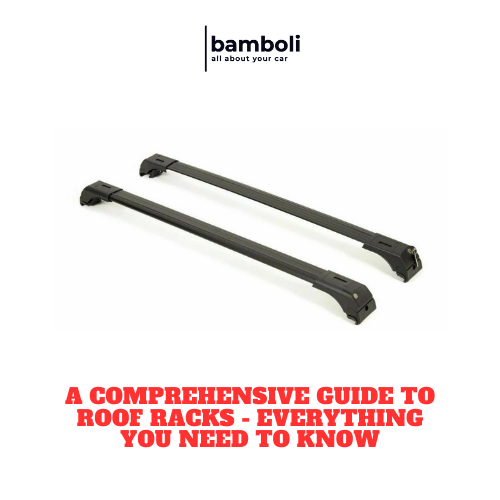
Whether you're new to roof racks or upgrading an old setup, this guide covers everything you need to know: the main types of racks, how to choose one that actually fits your car, step-by-step installation, and the maintenance habits that keep a rack safe for years. If you already know what you need, you can browse our full roof rack collection — every set is listed by vehicle make and model.
Types of Roof Racks and Their Uses
Roof racks are an essential accessory for anyone who needs to transport items on the roof of their vehicle. Each type is designed for a specific job:
Cargo Baskets
Open-air racks that are ideal for carrying bulky items such as luggage, camping gear, or sports equipment. Perfect for extra storage space on long road trips and outdoor adventures.
Roof Trays
A flat surface with raised edges, well suited to securing smaller items and keeping gear organized and protected on the move.
Kayak Racks
Designed to transport kayaks safely, typically with padded cradles and straps that hold the kayak in place and prevent damage in transit.
Ski Racks
Hold skis and snowboards securely during transport, usually with rubber padding that protects the equipment from scratches.
Bike Racks
For cyclists who need to move bicycles between locations. Available in roof-mounted, trunk-mounted, and hitch-mounted styles depending on your needs.
Ladder Racks
Built for contractors and tradespeople who carry ladders or other long items, with adjustable crossbars that accommodate different sizes.
Whatever you need to carry, choose the rack type based on the items you transport and how often you use it. The foundation of almost every setup above is a good set of cross bars — the two bars that run across your roof and carry the load.
Are Roof Racks Universal?
No — and this is the most common mistake buyers make. Roof racks are not one-size-fits-all, because cars have different roof types:
- Raised roof rails — rails with a visible gap underneath (common on SUVs and estates). Cross bars clamp around the rail.
- Flush roof rails — rails that sit tight against the roof with no gap. These need clamps designed for the specific rail profile.
- Bare roof — no rails at all. Racks attach to the door frame or to fixed mounting points under trim covers.
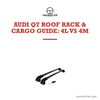
A rack built for one roof type will not fit another safely, and even within the same type, rail spacing and profile differ between models. That's why every set in our store is listed for a specific vehicle and year range — for example, roof rack cross bars for the Audi Q7 are shaped for the Q7's rails and won't fit another SUV. When in doubt, search for your car's make, model and year, or send us your model year and we'll confirm fitment before you order.
How to Choose a Roof Rack
Three factors matter most when selecting a rack:
1. Vehicle Compatibility
Not all roof racks fit every vehicle. Check the product's specified make, model and year range before buying — it's the single most important step.
2. Type of Mounting System
Crossbar systems, roof rail systems and gutter systems each mount differently. Choose the one that matches your roof type (see the section above) and that you can install securely.
3. Weight Capacity
Add up the weight of your gear plus any accessories, and make sure the rack's rated capacity covers it — and that it stays within your car manufacturer's roof load limit.
| Factor | Consideration |
| Vehicle compatibility | Check the listed make, model and year range |
| Mounting system | Must match your roof type (rails, flush rails or bare roof) |
| Weight capacity | Rack rating and the car's roof load limit both apply |
How to Install a Roof Rack (Step by Step)
Installing a roof rack is a simple process if you take your time and make sure everything is fastened securely.
Step 1: Gather the necessary tools
You will typically need a screwdriver, a measuring tape, and the rack kit made for your vehicle. Most of our sets include the required mounting hardware.
Step 2: Measure and align
Measure the distance between the roof rails and use it to position the rack feet. Make sure the bars are centered and symmetrical on both sides.
Step 3: Secure and check
Fasten the feet with the provided screws and brackets, tighten them firmly, then give the rack a firm shake to confirm it's properly attached. Re-check the tightness after your first drive.
Roof Rack Maintenance Tips
Regular maintenance keeps a rack safe and extends its life:
- Clean regularly — mild soap and water removes grime, bird droppings and road salt before they cause corrosion.
- Inspect for damage — look for cracks, rust or loose fasteners periodically, and tighten or fix issues promptly.
- Lubricate moving parts — hinges and sliding mechanisms last longer with occasional lubrication.
- Respect weight limits — overloading damages both the rack and your car, and puts everyone on the road at risk.
- Secure your load — use tie-down straps or cargo nets and double-check them before setting off.
- Store properly — if you remove the rack off-season, keep it somewhere dry away from extreme temperatures.
Safety Precautions
- Weight limit: never exceed the manufacturer's rating — structural damage and accidents follow.
- Fasten items securely: straps, tie-downs or bungee cords stop loads shifting or falling off at speed.
- Height clearance: remember your car is taller with cargo on the roof — watch bridges, car parks and overhangs.
Frequently Asked Questions
Are roof racks universal?
No. Racks are made for specific roof types and rail profiles, which is why they're sold by vehicle make, model and year. See the Are Roof Racks Universal? section above for the details.
What's the difference between a roof rack and roof rails?
Roof rails run front-to-back along the roof and come fitted to many cars from the factory; a roof rack (cross bars) mounts across them to actually carry the load. We compare the two in detail in Roof Rack vs. Roof Rail.
What are the benefits of using a roof rack?
Extra carrying capacity for bulky items like luggage, sports equipment and outdoor gear — while freeing up interior space for passengers.
How do I choose the right roof rack for my vehicle?
Match it to your vehicle's make, model and year, decide what you'll carry (bikes, kayaks, boxes), and check the weight capacity. Our roof rack collection can be filtered by vehicle.
Are roof racks easy to install?
Most sets install with basic tools in under half an hour using the steps above. If you're not comfortable doing it yourself, any workshop can fit one quickly.
Do roof racks affect fuel efficiency?
Slightly, due to wind resistance. Aerodynamic bar profiles minimise the effect, and removing the rack when unused eliminates it.
Are roof racks safe for highway driving?
Yes — when installed properly and loaded within the weight limits. Secure the cargo well and periodically re-check the rack's tightness.